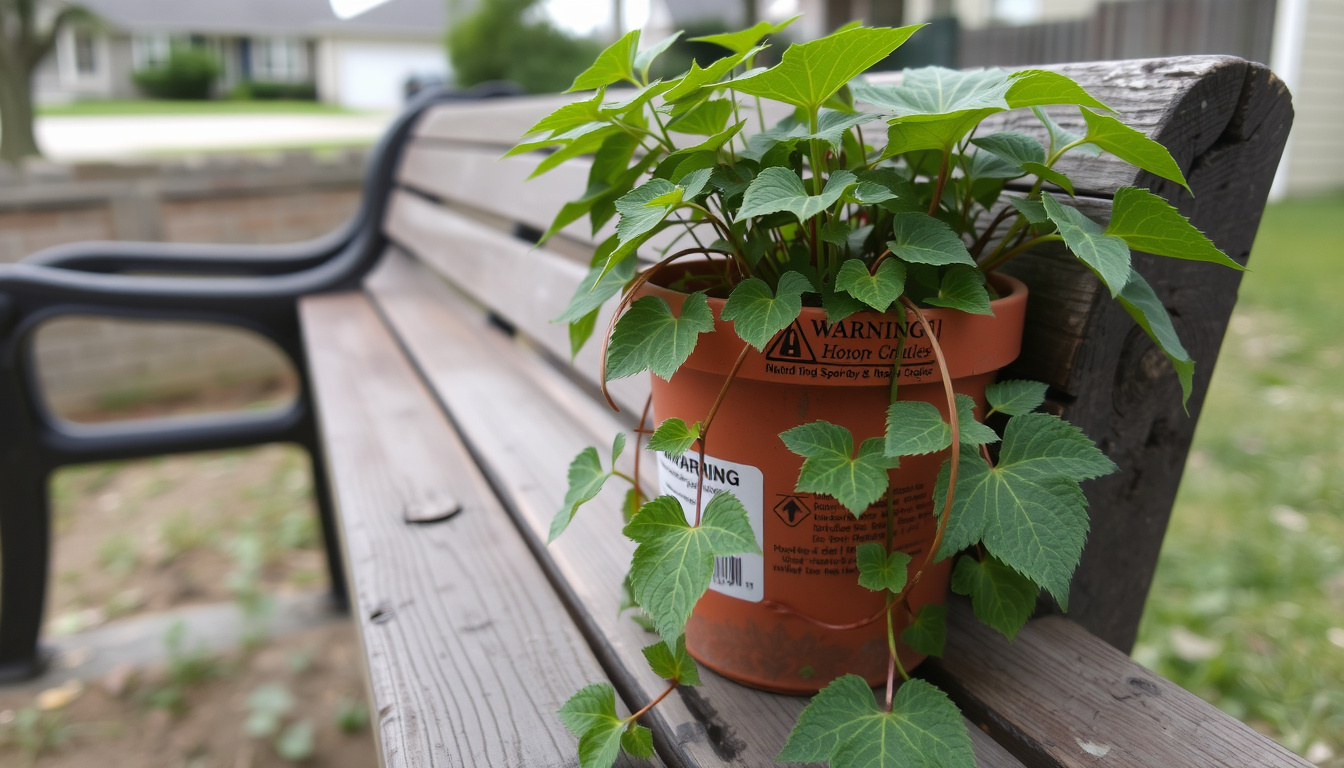
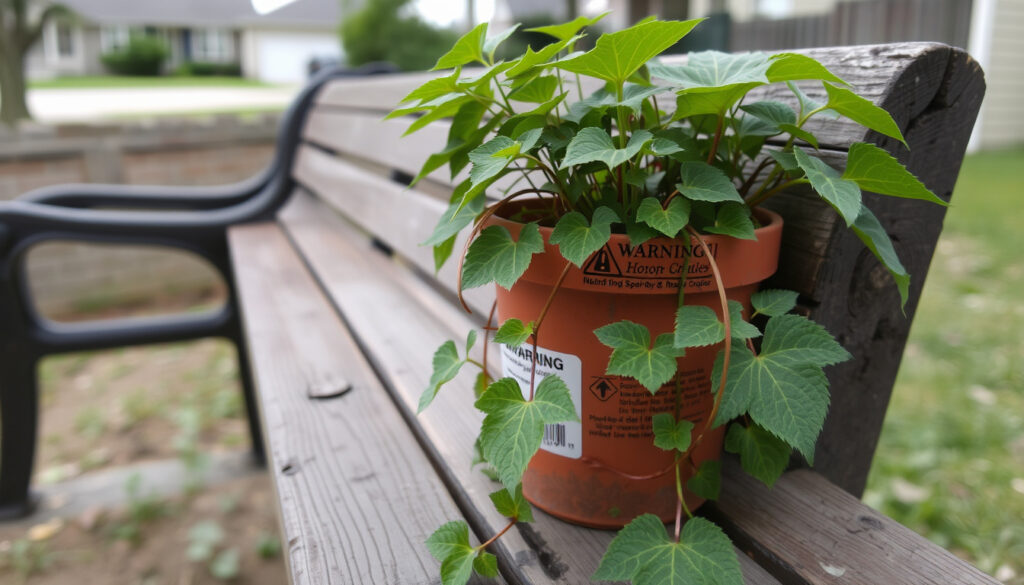
Anyone who has picked up an arrowhead vine at a Bunnings aisle probably did not sign up for an ecological warning. Yet that is exactly what Sunshine Coast Council and Queensland experts are issuing in 2025: this easy-care houseplant, with its distinctive arrow-shaped leaves, has escaped gardens and is smothering native bushland across the state.
Invasive status in Queensland: Declared environmental weed ·
Toxicity to humans and pets: Mildly poisonous; skin and mouth irritation ·
Common retail presence: Sold at Bunnings and nurseries across Australia ·
Recent warning date: July 2025 ·
Spread mechanism: Creeping stems root at nodes; difficult to control
Quick snapshot
- Aggressive climber that smothers native vegetation (Business Queensland)
- Listed as an environmental weed in Queensland (7NEWS)
- Contains calcium oxalate crystals that cause irritation if ingested or touched (7NEWS)
- Full ecological impact across all Australian states not yet known
- Whether it will become invasive in cooler regions remains to be seen
- Long-term effectiveness of current control methods is undetermined
- Rate of spread in non-coastal environments is still being studied
- July 2025: Major Australian news outlets publish urgent council warnings (7NEWS)
- Ongoing: Local councils urge residents to contain and dispose of arrowhead vine properly (7NEWS)
- Increased surveillance and control efforts across Queensland
- Possible expansion of regulatory restrictions in other states
- Public awareness campaigns likely to intensify
Six key identifiers, one pattern: a popular houseplant that is also a declared weed with real consequences for gardens and native bushland.
| Attribute | Details |
|---|---|
| Scientific name | Syngonium podophyllum |
| Common names | Arrowhead vine, arrowhead plant, syngonium |
| Native to | Central and South America |
| Status in Australia | Environmental weed in Queensland; emerging elsewhere |
| Toxicity | Mildly toxic to humans and pets (calcium oxalate crystals) |
| Retail availability | Commonly sold at Bunnings and nurseries |
The pattern: a plant sold as ornamental carries ecological costs that most buyers never see.
What are the disadvantages of the arrowhead plant?
Ecological impact: smothers native vegetation
- Arrowhead vine is an aggressive climber that smothers native vegetation and disrupts ecosystems (Business Queensland).
- It forms dense mats that block sunlight from reaching the forest floor, preventing the regeneration of native seedlings.
- In Queensland, it has naturalised across coastal districts from the south-east to the far north (Business Queensland).
The implication: what starts as a single garden escape can seed an infestation that takes years to remove.
A single garden escape can seed an infestation that takes years to remove. Queensland councils are now dealing with arrowhead vine spreading into bushland reserves where it competes directly with native species for space and light.
Difficulty of control: persistent climber that roots at nodes
- Every stem node can root and form a new plant, making manual removal painstaking (Business Queensland).
- No herbicide is currently registered for arrowhead vine in Queensland, though off-label permit PER11463 allows use in non-agricultural areas (Business Queensland).
- Dumping garden waste in natural areas is a primary spread mechanism — the plant regenerates easily from discarded cuttings (Business Queensland).
The catch: every missed node during removal can restart the problem.
Toxicity to humans and pets
- The sap contains calcium oxalate crystals that cause skin and mouth irritation upon contact or ingestion (7NEWS).
- Ingestion can lead to drooling, vomiting, and difficulty swallowing — especially concerning for children and pets.
- While rarely life-threatening, the discomfort is significant enough that Poison Information Centres receive regular calls about this plant.
Bottom line: Arrowhead vine carries ecological and health risks that outweigh its ornamental appeal for most gardeners. Homeowners should weigh the convenience of a low-care plant against the real cost of managing its spread and the potential harm to children and pets.
Is arrowhead vine poisonous to dogs?
Symptoms of poisoning in dogs
- Arrowhead vine contains calcium oxalate crystals that cause oral irritation, drooling, vomiting, and difficulty swallowing in dogs (7NEWS).
- Dogs that chew on the leaves typically show immediate signs of mouth pain — pawing at the face, whimpering, and excessive salivation.
- The severity depends on the amount ingested and the size of the dog; small breeds are at higher risk.
What to do if your dog ingests arrowhead vine
- Remove any remaining plant material from the dog’s mouth and rinse gently with water.
- Contact a veterinarian or the Animal Poisons Centre immediately (7NEWS).
- Do not induce vomiting unless directed by a vet — the crystals can cause additional irritation on the way back up.
Veterinary advice
- Veterinarians classify the plant as mildly to moderately toxic, with most cases resolving with supportive care (7NEWS).
- Bring a sample of the plant to the clinic to confirm identification and speed up treatment decisions.
- Keep the plant out of reach of dogs, especially in homes with curious puppies who explore with their mouths.
The pattern: immediate symptoms are the warning signal, and quick action prevents complications.
Many dog owners keep arrowhead vine indoors without realising the risk. A single fallen leaf on the floor is all it takes for a puppy to find trouble. Veterinary visits for plant poisoning are entirely preventable with a swap to a non-toxic alternative.
Is an arrowhead plant poisonous to touch?
Skin irritation from sap
- The sap of arrowhead vine can cause skin irritation, redness, and itching in sensitive individuals (7NEWS).
- The calcium oxalate crystals in the sap act like microscopic needles, creating mechanical irritation rather than a chemical burn.
- Reactions vary — some people show no symptoms while others develop a visible rash that lasts several hours.
Who is most at risk
- Children with sensitive skin are more likely to develop noticeable irritation from handling the plant.
- People with pre-existing skin conditions such as eczema may have stronger reactions.
- Gardeners who prune or repot arrowhead vine without gloves are the most common group affected.
How to handle the plant safely
- Wear gloves when pruning, repotting, or handling arrowhead vine — this is the single most effective precaution.
- Wash hands thoroughly with soap and water after any contact with the plant, even if gloves were worn.
- Keep the plant out of reach of young children who may touch and then put their hands in their mouths.
The implication: simple precautions prevent most problems, but many owners learn this only after a reaction.
What are the benefits of having an arrowhead plant?
Ornamental appeal
- Arrowhead vine is valued as an easy-care indoor plant with attractive variegated leaves in shades of green, cream, and pink.
- Its versatility as a trailing or climbing plant makes it popular in hanging baskets, terrariums, and indoor trellises.
- It is widely available at Bunnings and nurseries, often labelled under its botanical name Syngonium podophyllum (7NEWS).
Air purification (limited evidence)
- Some sources claim arrowhead vine helps purify indoor air, but the scientific evidence for this is weak.
- Most studies on indoor plants and air quality were conducted in laboratory settings that do not reflect real home conditions.
- For meaningful air purification, you would need dozens of plants in a single room — a single potted vine makes little measurable difference.
Low maintenance
- Arrowhead vine thrives in low to medium indirect light and tolerates occasional missed watering.
- It grows well in a range of indoor conditions and can be propagated easily from cuttings placed in water.
- These qualities have cemented its reputation as an ideal plant for beginners and forgetful owners alike.
The catch: the same traits that make it easy to grow are exactly what make it invasive when it escapes.
The same traits that make it easy to grow — vigorous growth, easy propagation, tolerance of neglect — are exactly what make it invasive when it escapes into the garden. An indoor plant that becomes a garden problem is a trade-off few homeowners anticipate.
Can an arrowhead plant live in just water?
Propagation in water
- Arrowhead vine can be propagated and maintained in water for extended periods — roots develop quickly within days.
- This is a common method for sharing cuttings among plant enthusiasts and expanding a collection at no cost.
- The plant will survive in water for months, making it a popular choice for decorative vases and bottles.
Long-term care in water
- While the plant can live in water long-term, nutritional deficiencies may develop over time without added fertiliser.
- Change the water weekly to prevent bacterial buildup and root rot.
- Add a few drops of liquid houseplant fertiliser to the water every month to maintain healthy growth.
Transition to soil
- Arrowhead vine can be moved from water to soil if desired — a gradual transition reduces transplant shock.
- Start by adding a small amount of soil to the water, then increase the ratio over several weeks.
- Once potted, keep the soil consistently moist for the first month to help the roots adapt.
The implication: water propagation is simple, but every cutting can become a future weed if not contained.
Upsides
- Very easy to propagate and share with friends
- Thrives in water with minimal maintenance
- Attractive foliage adds greenery to any room
- Tolerates a wide range of light conditions
- Inexpensive and widely available at Bunnings
Downsides
- Invasive when planted outdoors in warm climates
- Toxic to pets and children if ingested
- Sap causes skin irritation in sensitive people
- Extremely difficult to eradicate once established
- May be subject to future legal restrictions
How to identify and remove arrowhead vine
Identification tips
- Arrowhead vine has distinctive arrow-shaped leaves that start small and become larger and more lobed as the plant matures.
- Leaves are typically variegated with green and cream patterns, though some cultivars feature pink or silver tones.
- The plant grows as a climbing or trailing vine, producing aerial roots that attach to trees, fences, and walls.
Step-by-step removal
- Identify all stems and trace them back to the root system — look for nodes where stems touch the ground.
- Hand-pull small infestations, ensuring removal of all roots and stem fragments (7NEWS).
- Bag all plant material securely in household waste — do not put it in green waste bins or compost.
- For larger infestations, use herbicide under off-label permit PER11463 following label directions exactly (Business Queensland).
- Monitor the area monthly for regrowth and repeat removal as needed — persistence is key.
The pattern: removal is straightforward but requires consistency and vigilance.
What not to do
- Never dump arrowhead vine clippings in bushland, parks, or public reserves — this is how infestations start.
- Do not add the plant to a home compost heap; it may survive and spread.
- Do not discard plants in waterways or stormwater drains — fragments can travel downstream and establish elsewhere.
Bottom line: Removing arrowhead vine requires vigilance, not expertise. Hand-pull every piece, bag it in household waste, and check the site for months afterward. Gardeners in Queensland: a single missed node means a new infestation.
Timeline: Arrowhead vine warnings in Australia
- Ongoing (years leading to 2025): Arrowhead vine becomes naturalised in coastal districts of south-eastern, central, and northern Queensland (Business Queensland).
- July 2025: Multiple Australian news outlets publish urgent warnings from Sunshine Coast Council and other local authorities about the vine spreading in Queensland bushland (7NEWS).
- Ongoing: Councils urge residents to contain, remove, and properly dispose of arrowhead vine, emphasising the general biosecurity obligation under the Biosecurity Act 2014 (Business Queensland).
The pattern: a popular retail plant slowly transitions from household staple to environmental concern. The gap between first naturalisation and public warning spans years, not weeks.
What we know and what remains unclear
Confirmed facts
- Arrowhead vine is an aggressive climber that can smother native vegetation (Business Queensland).
- It is listed as an environmental weed in Queensland (7NEWS).
- The plant contains calcium oxalate crystals that cause irritation if ingested or touched (7NEWS).
- It is sold at Bunnings and other nurseries across Australia (7NEWS).
- There is no registered herbicide for this plant; control relies on off-label permits and manual removal (Business Queensland).
What remains unclear
- The full ecological impact across all Australian states is not yet known.
- Whether the plant will become invasive in cooler regions such as Victoria and Tasmania remains to be seen.
- Long-term effectiveness of current control methods in different soil and climate conditions is undetermined.
- The rate of spread beyond Queensland’s coastal zones has not been systematically mapped.
- Whether Bunnings and other retailers will continue to stock the plant in response to public pressure is uncertain.
Expert perspectives on the arrowhead vine warning
“Arrowhead vine is a persistent creeper or climber and once established, it will take root wherever its stem touches the ground.”
— Sunshine Coast Council representatives, via 7NEWS
“Pretty but deadly: popular pot plant sparks urgent warning.”
— Headline, 7NEWS
“If ingested, it can irritate your skin and is poisonous to humans and pets.”
— YourLifeChoices, cited by 7NEWS
The common thread across these warnings is that arrowhead vine’s reputation as a harmless houseplant no longer matches the reality on the ground in Queensland. What was once sold as an easy-care indoor plant is now being treated as an environmental threat requiring active management.
Frequently asked questions
How did arrowhead vine become invasive in Australia?
Arrowhead vine is native to Central and South America and was introduced to Australia as an ornamental houseplant. It escaped cultivation through the dumping of garden waste and the disposal of cuttings in natural areas, where its ability to root at every node allowed it to spread rapidly through Queensland’s coastal bushland (Business Queensland).
What does arrowhead vine look like?
Arrowhead vine has distinctive arrow-shaped leaves that are typically variegated in shades of green and cream. Juvenile leaves are smaller and simpler, while mature leaves become larger and more lobed. The plant grows as a climbing or trailing vine with aerial roots that attach to surfaces.
Can arrowhead vine be grown indoors safely?
Yes, arrowhead vine can be grown indoors safely as long as it is kept contained in a pot and never planted in the garden. Keep it out of reach of children and pets who might ingest the leaves. Never dispose of cuttings or prunings in outdoor areas where they could take root.
Is arrowhead vine the same as Syngonium?
Yes, arrowhead vine is the common name for Syngonium podophyllum, which is the species most commonly sold as a houseplant. There are many cultivars and varieties within the Syngonium genus, but S. podophyllum is the one flagged as invasive in Queensland.
What are the symptoms of arrowhead vine poisoning in dogs?
Dogs that ingest arrowhead vine typically show immediate oral irritation, excessive drooling, pawing at the mouth, vomiting, and difficulty swallowing due to the calcium oxalate crystals in the sap (7NEWS). Contact a veterinarian promptly if ingestion is suspected.
How to remove arrowhead vine from my garden?
Hand-pull small infestations, ensuring you remove all roots and stem fragments. Bag all plant material in household waste — do not compost or green-bin it. For larger infestations, use herbicide under off-label permit PER11463. Monitor the area monthly for regrowth (Business Queensland).
Are there any non-invasive alternatives to arrowhead vine?
Yes, several indoor plants offer similar visual appeal without the invasive risk. Consider heart-leaf philodendron (Philodendron scandens), pothos (Epipremnum aureum), or peperomia species. These are safe to keep as houseplants and do not pose the same ecological threat if they escape.
Does Bunnings still sell arrowhead vine in 2025?
As of July 2025, arrowhead vine remains widely available at Bunnings and other nurseries across Australia, despite the urgent warnings from Queensland councils (7NEWS). No national retail ban has been enacted, though individual councils are urging residents to stop planting it outdoors.
For Australian gardeners and retailers alike, the choice is becoming clear: treat arrowhead vine as the environmental risk it is, or face the cost of controlling an escalating weed problem that Queensland is already grappling with. Homeowners who already own this plant must keep it confined indoors and dispose of it responsibly at the end of its life to prevent further spread.
Related stories




Liam O'Brien covers Australian politics and public affairs for Oz Monitorly.