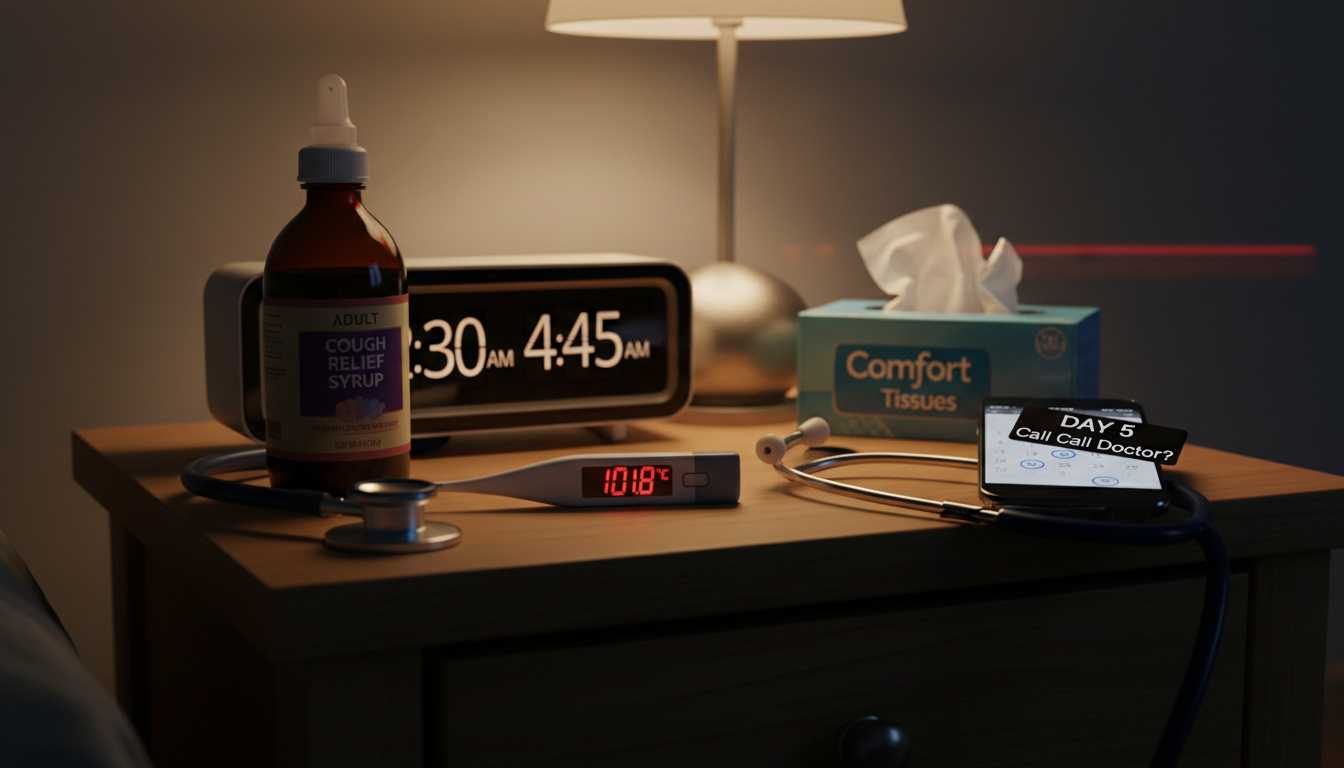
Respiratory syncytial virus, commonly known as RSV, frequently evokes associations with pediatric wards and infant infections. Yet the pathogen represents a significant threat to adult populations, particularly as immune systems age or encounter chronic health conditions. While healthy adults typically experience mild, cold-like manifestations, the virus can precipitate severe respiratory complications requiring hospitalization in vulnerable demographics.
The clinical presentation of RSV in adults often masquerades as influenza or seasonal allergies, creating diagnostic confusion. Symptoms generally emerge four to six days following exposure, beginning with nasal congestion and progressing through the respiratory system. Understanding these temporal patterns and physiological indicators enables adults to distinguish between routine illness and potentially dangerous infection.
Current epidemiological data underscores the substantial burden RSV places on adult healthcare systems. Each year, an estimated 110,000–180,000 adults ages 50 and older in the United States require hospitalization due to RSV complications, with mortality estimates ranging between 6,000 and 10,000 deaths annually among older populations.
What Are the Common Symptoms of RSV in Adults?
| Common Symptoms Congested or runny nose, dry cough, low-grade fever, sore throat, sneezing, headache |
Duration 1–2 weeks for most healthy adults |
| Severity Mild for healthy adults; severe for elderly and immunocompromised |
Seek Help If Shortness of breath, high fever, wheezing, trouble breathing |
- RSV typically presents with mild, cold-like symptoms in healthy adults, according to Mayo Clinic clinical guidelines.
- Symptoms usually appear approximately four to six days after exposure to the virus.
- Most adults recover within one to two weeks without medical intervention.
- RSV may cause repeated wheezing in some cases following initial recovery.
- While generally mild, RSV can lead to severe illness in certain populations, including pneumonia and bronchiolitis.
- An estimated 60,000–120,000 older adults are hospitalized due to RSV in the U.S. annually, with 6,000–10,000 deaths reported.
| Fact | Detail |
|---|---|
| Incubation Period | 4–6 days after exposure |
| Primary Symptoms | Congested or runny nose, dry cough, low-grade fever, sore throat, sneezing, headache |
| High-Risk Groups | Adults 75+, chronic heart or lung disease, weakened immune systems, nursing home residents |
| Annual Hospitalizations (Adults 50+) | 110,000–180,000 in the United States |
| Annual Deaths (Older Adults) | 6,000–10,000 |
| Available Vaccines | Abrysvo and Arexvy (single dose each) |
How Long Do RSV Symptoms Last in Adults?
The clinical course of RSV follows a predictable trajectory in immunocompetent adults. Following the four to six-day incubation period, symptoms typically peak during the first week of illness. Congestion and cough generally represent the most persistent manifestations, while fever and sore throat often resolve within several days. Most adults achieve full recovery within one to two weeks, though some individuals experience prolonged wheezing or respiratory sensitivity.
Is RSV Serious in Adults?
While RSV causes mild symptoms in healthy adults, it can lead to severe illness in certain populations, according to the Mayo Clinic Health System. Severe RSV illness can result in pneumonia, bronchiolitis, and hospitalization, and can be fatal for some adults, as documented by the Centers for Disease Control and Prevention.
RSV can worsen existing serious conditions, including asthma, COPD, and heart failure. Adults who develop severe RSV may experience pneumonia or require hospitalization. An estimated 110,000–180,000 adults ages 50 and older in the United States are hospitalized due to RSV each year.
Adults at highest risk for severe RSV illness include adults ages 75 and older, adults with chronic heart or lung disease, adults with weakened immune systems, and adults living in nursing homes, according to CDC surveillance data.
When Should Adults See a Doctor?
Healthy adults and older children usually don’t need RSV testing, as most infections only cause mild symptoms, according to MedlinePlus. However, adults over age 65 may need testing if they show signs of moderate or serious infection, including fever, wheezing, serious cough, breathing faster than normal, or trouble breathing.
Diagnosis is typically based on physical exam findings and timing of symptoms. During the exam, a doctor will listen to the lungs with a stethoscope to check for wheezing or abnormal sounds, according to Mayo Clinic diagnostic guidelines. Laboratory and imaging tests aren’t usually needed but may help diagnose complications or rule out other conditions. Testing may include a nasal swab.
RSV Symptoms in Adults vs Flu and COVID
Distinguishing RSV from other respiratory pathogens presents significant clinical challenges due to overlapping symptom profiles. Both RSV and COVID-19 spread through droplets and close contact, according to the National Council on Aging. However, distinct patterns emerge upon closer examination.
Distinguishing RSV from COVID-19
RSV typically presents with congestion, wheezing, shortness of breath, and cough. COVID-19 commonly produces cough, body aches, fatigue, sore throat, and loss of smell or taste. While RSV typically doesn’t cause long-term symptoms, COVID-19 can result in long COVID, affecting roughly 6% of U.S. adults with lingering symptoms lasting weeks, months, or years.
Complications differ markedly between the two viruses. In older adults, RSV may cause pneumonia, bronchiolitis, and worsening of heart or lung conditions. COVID-19 can produce pneumonia, blood clots, and long COVID. Having RSV may lower immunity and increase the risk of subsequently catching COVID-19, according to Mayo Clinic research.
Comparison with Influenza
Influenza and RSV share the capacity to exacerbate chronic conditions and precipitate secondary bacterial infections. However, RSV demonstrates particular propensity for causing bronchiolitis and wheezing in susceptible adults, whereas influenza more commonly produces systemic symptoms including high fever and myalgia. Both viruses demand heightened vigilance in adults over 65.
Treatment and Prevention for RSV in Adults
Managing RSV Symptoms
Treatment for RSV in adults primarily focuses on supportive care, as no specific antiviral therapy is routinely recommended for adult outpatients. Adults over age 65 presenting with moderate symptoms may require diagnostic testing and closer monitoring. Hospitalization becomes necessary when patients develop pneumonia, experience significant breathing difficulties, or show signs of dehydration.
Vaccination Guidelines
The CDC recommends RSV vaccination for specific age groups. Everyone ages 75 and older should receive an RSV vaccine. Adults ages 50–74 who are at increased risk of severe RSV illness should also get vaccinated. Adults age 60 and older should consult their healthcare professional about RSV vaccination, particularly those at higher risk.
Two vaccines are currently available for adult populations: Abrysvo and Arexvy. Each requires a single dose for protection, according to Mayo Clinic pharmaceutical guidelines.
Both RSV and COVID-19 spread through respiratory droplets and close contact. Adults experiencing symptoms should exercise caution around vulnerable populations, including the elderly and immunocompromised individuals.
The Typical Timeline of RSV Infection
- Day 0: Exposure to respiratory syncytial virus through droplet contact.
- Days 4–6: Incubation period concludes; symptoms begin manifesting with nasal congestion and sore throat.
- Days 4–7: Peak symptom intensity occurs, including dry cough, low-grade fever, and potential wheezing.
- Weeks 1–2: Gradual recovery phase for healthy adults; most symptoms resolve.
- Week 2+: Some adults experience persistent wheezing or respiratory sensitivity.
- Weeks 3+: Vulnerable populations may develop complications including pneumonia or require hospitalization.
Established Facts and Remaining Uncertainties
| Established Information | Information That Remains Unclear |
|---|---|
| Symptoms include cough, congestion, low-grade fever, and wheezing | Exact duration of contagious period in adults |
| Incubation period lasts 4–6 days | Specific predictive factors determining which adults develop severe complications |
| Recovery typically occurs within 1–2 weeks for healthy adults | Long-term lung function impacts beyond wheezing episodes |
| High-risk groups include adults 75+ and those with chronic conditions | Reinfection frequency and immune response durability |
| Two vaccines (Abrysvo and Arexvy) are available | Optimal timing for vaccination relative to local outbreak cycles |
Understanding RSV in the Adult Population
Respiratory syncytial virus represents a significant yet frequently underestimated pathogen in adult medicine. Unlike pediatric cases, which often manifest with obvious respiratory distress, adult infections typically present with subtle, flu-like symptoms that patients may dismiss as minor illness. This diagnostic ambiguity contributes to underreporting and delayed intervention in high-risk populations. For more information on RSV symptoms in women, visit $headlineforge.uk.
The demographic shift toward aging populations intensifies the public health imperative surrounding adult RSV awareness. As adults live longer with chronic conditions such as heart failure and COPD, the intersection of compromised physiology and viral infection creates substantial medical vulnerability. Maintaining overall immune health through appropriate nutrition and supplements like Rose Hip Vital – Benefits Dosage and Key Facts may support general wellness, though no supplement prevents RSV specifically.
Seasonal patterns and healthcare burden considerations further contextualize the importance of RSV recognition in adult patients. Hospitalization statistics reveal the virus’s capacity to overwhelm respiratory reserves in susceptible individuals, necessitating proactive vaccination strategies and symptom monitoring.
Medical Authority Perspectives on RSV
“RSV typically presents with mild, cold-like symptoms in healthy adults. These symptoms usually appear about four to six days after exposure to the virus and include congested or runny nose, dry cough, low-grade fever, sore throat, sneezing, and headache.”
— Mayo Clinic Clinical Guidelines
“Adults at highest risk for severe RSV illness include adults ages 75 and older, adults with chronic heart or lung disease, adults with weakened immune systems, and adults living in nursing homes.”
— Centers for Disease Control and Prevention
“Severe RSV illness can result in pneumonia, bronchiolitis, and hospitalization, and can be fatal for some adults.”
— Mayo Clinic Health System
Key Takeaways for Adult Patients
RSV symptoms in adults typically resolve within two weeks, presenting as mild cold-like illness in healthy individuals. However, adults over 75 and those with chronic conditions face significant risks of severe complications including pneumonia and hospitalization. Vaccination provides protection for high-risk age groups, while prompt medical attention becomes essential when breathing difficulties emerge. Regular health monitoring and preventive care, including services like Sydney Ultrasound for Women – Top Clinics Costs and Scans for comprehensive health screening, support overall respiratory wellness strategies.
Frequently Asked Questions
Can adults get RSV more than once?
Research indicates that RSV may cause repeated wheezing in some cases, suggesting the possibility of reinfection or persistent symptoms. However, specific data regarding reinfection rates in adults remains limited.
How contagious is RSV in adults?
RSV spreads through respiratory droplets and close contact, similar to COVID-19. While healthy adults typically experience mild symptoms, they can transmit the virus to vulnerable populations during the symptomatic period.
What is the main difference between RSV and a common cold?
While RSV symptoms resemble a cold—congestion, cough, and sore throat—RSV may cause wheezing and carries higher risks for adults over 65. Unlike common colds, RSV can lead to pneumonia, bronchiolitis, and hospitalization in high-risk individuals.
Should healthy adults get tested for RSV?
No. Healthy adults and older children usually do not need RSV testing, as most infections cause only mild symptoms. Testing through nasal swab is typically reserved for adults over 65 showing signs of moderate or serious infection.
Can RSV cause long-term health problems?
Unlike COVID-19, RSV typically does not cause long-term symptoms. However, it may worsen asthma or COPD and cause repeated wheezing in some cases. Severe infections can result in prolonged recovery for vulnerable adults.

Priya Mitchell leads fact-checking, source verification and corrections at Oz Monitorly.