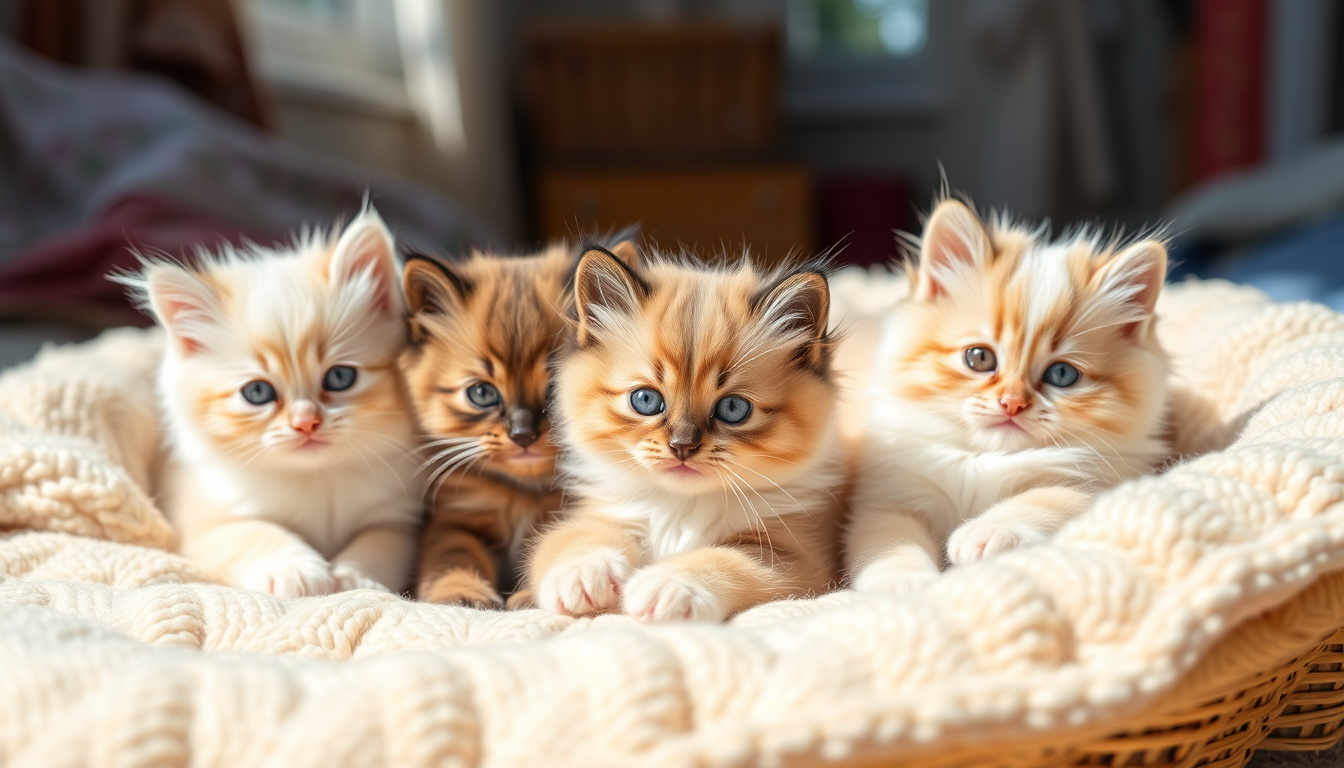

Finding a Ragdoll kitten for sale from a reputable source requires knowing where to look and what questions to ask. These docile, blue-eyed cats have become one of the most sought-after breeds in the United States, but the process of acquiring one comes with important considerations around pricing, breeder verification, and health testing that every prospective owner should understand.
Ragdolls earned their name from a distinctive behavioral trait—their tendency to go completely limp when picked up, much like a soft toy. This remarkable docility, combined with their striking appearance and affectionate nature, has fueled significant demand. Yet navigating the marketplace means distinguishing between ethical breeders, pet stores, and online listings that may not deliver what they promise.
This guide walks through the essential steps for finding healthy Ragdoll kittens from trustworthy sources, explaining price ranges, health requirements, and the red flags that signal potentially fraudulent listings. The information here draws from breeder networks, cat association standards, and veterinary guidance to help readers make informed decisions.
Where Can I Find Ragdoll Kittens for Sale?
The most reliable path to acquiring a Ragdoll kitten begins with breeder directories maintained by recognized cat associations. Both the Cat Fanciers’ Association and The International Cat Association publish breeder listings that verify registration status and adherence to breed standards. These directories serve as starting points for locating breeders who have committed to ethical practices.
Beyond official directories, several well-established catteries operate across different regions. Pastel Ragdolls in Arizona, MoonSeed Ragdolls in Ohio, RiverHaze Ragdolls in New Jersey, and Snoot Boop Ragdolls in the Texas DFW area represent just a sample of operations that maintain TICA or CFA registration with documented health testing protocols. Readers seeking local options should search breeder sites directly or consult guides like Almonte Cats’ compilation of top USA breeders for additional choices.
What to Expect from Reputable Breeders
Reputable breeders prioritize health testing above all else. This means screening for feline leukemia virus (FeLV), feline immunodeficiency virus (FIV), internal parasites, and genetic conditions specific to the breed. DNA tests for disorders such as hypertrophic cardiomyopathy (HCM) and polycystic kidney disease (PKD) represent standard practice among responsible catteries. Without these verifications, prospective owners cannot be certain of the kitten’s health background.
Beyond testing, ethical breeders ensure kittens are properly socialized before placement. This involves exposure to household sounds, gentle handling by multiple people, and gradual introduction to basic grooming. Kittens from well-managed catteries typically arrive at their new homes at twelve weeks or older, weaned onto solid food and vaccinated according to veterinary schedules.
Contracts form another hallmark of legitimate breeders. These agreements typically require spay or neutering of pet-quality kittens, outline health guarantees that may extend up to four years, and specify the responsibilities of both breeder and buyer. Breeders who skip contracts or pressure buyers for immediate payment should be approached with caution.
Key Insights Before You Search
- Ragdolls rank among the most popular breeds registered with both CFA and TICA, driving consistently high demand.
- Prices significantly below $2,000 frequently indicate scams, puppy mills, or non-purebred cats.
- TICA and CFA registration alone does not guarantee ethical practices—request health documentation.
- Pet-quality and show-quality kittens differ in price by approximately $800–$1,500.
- Most ethical breeders maintain waitlists rather than keeping kittens available immediately.
- Shipping arrangements add additional costs beyond the purchase price.
- Visiting the cattery in person, or requesting video calls, provides crucial verification of conditions.
| Fact | Details |
|---|---|
| Life Expectancy | 12–17 years with proper care |
| Adult Weight | Males 12–20 lbs, Females 8–15 lbs |
| Coat Type | Semi-long, plush texture with minimal matting |
| Eye Color | Blue (all Ragdolls have blue eyes) |
| Registration Bodies | CFA (Cat Fanciers’ Association), TICA (The International Cat Association) |
| Health Testing Standards | HCM, PKD, FIV/FeLV screening required |
How Much Do Ragdoll Kittens Cost?
Ragdoll kittens from reputable breeders typically range from $2,500 to $5,500 for pet-quality animals, while show or breeding-quality kittens command $3,800 to $7,500 and above. These figures reflect substantial investment, but they cover more than just the purchase price. Understanding what drives these costs helps explain why deals that seem too good to be true usually are.
Understanding Price Differences
Pet-quality kittens generally display standard markings and are sold with agreements requiring spay or neutering. They make excellent companions and meet the breed standard for temperament and health, even if they may not qualify for show competitions. Show-quality kittens demonstrate precise markings, structure, and characteristics that conform to breed standards disqualifying factors as outlined by CFA and TICA guidelines.
Several factors influence where a kitten falls within these ranges. Pedigree plays a significant role—kittens from champion bloodlines or lines with proven show histories typically fetch higher prices. The cost of maintaining breeding queens, including veterinary care, premium nutrition, and genetic testing, gets incorporated into kitten pricing. Demand for specific color point variations, such as blue point bicolors, can also drive prices upward.
Geographic location affects costs as well. Breeders in rural areas may charge less due to lower overhead, while catteries operating in metropolitan regions where demand outstrips supply often price accordingly. Shipping arrangements, typically handled through cabin flight for kittens over twelve weeks, add separate fees that buyers should budget for alongside the base purchase price.
Initial costs extend beyond the kitten’s purchase price. New owners should prepare for veterinary checkups, vaccinations, spay or neuter procedures if not included in the contract, quality food, grooming tools, and supplies. Some breeders bundle initial vet care and microchipping into their pricing—confirm these details before committing.
Where Prices Stand Today
| Quality Level | Price Range (USD) | Notes |
|---|---|---|
| Pet Quality | $2,500–$4,500 | Standard markings; spayed/neutered, vaccinated; ideal for families |
| Show/Breeder Quality | $3,500–$7,500+ | Meets breed standards; $800–$1,500 more than pet quality |
| Retired Adults | $400–$1,200 | Lower cost option from ethical breeders seeking to retire breeding cats |
Retired adults represent an often-overlooked option for families seeking the Ragdoll temperament at a lower investment. These cats, typically retired from breeding programs around five to seven years of age, have already undergone thorough health testing and often come with established temperaments. Ethical breeders occasionally rehome retired cats at reduced rates, giving them comfortable lives as family pets.
What Should I Look for When Buying a Ragdoll Kitten?
Selecting a Ragdoll kitten involves more than choosing the most appealing face in a litter. Thorough vetting of the breeder and the kitten’s documentation protects buyers from disappointment and supports ethical practices within the breeding community.
Essential Health Documentation
Health testing forms the cornerstone of responsible Ragdoll acquisition. At minimum, breeders should provide documentation showing negative results for FeLV and FIV, clear parasite screenings, and DNA testing for HCM and PKD. These conditions represent the most significant health concerns for the breed, and responsible breeders test breeding stock before pairing animals. The ASPCA’s guidance on feline health issues emphasizes the importance of documented screening protocols when acquiring any purebred cat.
Beyond test results, request vaccination records showing the kitten received age-appropriate shots. Verify that the kitten has been examined by a licensed veterinarian and comes with records of this examination. Some breeders include microchipping in their packages; others leave this to new owners.
The Buying Checklist
- Confirm CFA or TICA registration and ask for the cattery registration number.
- Request to see health records for both parent cats and the specific kitten.
- Ask for genetic test documentation, specifically HCM and PKD clearances.
- Review the purchase contract before paying any deposit—ensure it covers health guarantees.
- Request references from previous buyers if available.
- Insist on video calls or an in-person visit to see the kittens with their mother.
- Verify the breeder belongs to recognized cat associations and follows their codes of ethics.
The contract deserves careful attention. Ethical breeders include clauses requiring spay or neutering for pet-quality kittens, spelling out health guarantee duration and what recourse buyers have if genetic conditions emerge. Contracts should also address return policies—reputable breeders typically require that kittens be returned to them rather than surrendered to shelters if circumstances change.
Listings advertising Ragdoll kittens below $2,000, especially on platforms like Craigslist or Facebook Marketplace, warrant extreme caution. Warning signs include sellers who refuse video calls, demand payment through unusual methods, create urgency with stories about moving or health crises, or offer “free to good home” arrangements without verification. Legitimate breeders never advertise through classified ads with no vetting process.
Shipping and Delivery Options
Many breeders offer shipping services for buyers who cannot collect kittens in person. This typically involves airline cabin transport for kittens at least twelve weeks old, with costs ranging from $200 to $500 depending on distance and carrier policies. Some breeders prefer hand-delivery through trusted transport services, which may cost more but provides additional safety for the kitten.
Buyers preferring local options can specify their location when researching breeders. Catteries in states like Colorado, Texas, Arizona, and Oregon maintain active programs serving their respective regions. Searching for “Ragdoll kittens near me” through breeder directories helps identify options within driving distance, allowing for in-person visits that provide peace of mind.
Are Ragdoll Cats Good Family Pets?
Ragdolls have earned their reputation as exceptionally gentle companions. Their docile temperament makes them particularly well-suited to family environments, including homes with children and other pets. The breed’s defining characteristic—the tendency to relax completely when held—stems from generations of selective breeding for this trait. Those interested in other family-friendly companion animals might consider Golden Retriever Puppies – Cost, Size Chart, Care Guide for comparison.
Temperament and Social Needs
These cats thrive on human interaction and do not do well when left alone for extended periods. They typically follow their owners from room to room, seeking out laps and preferring to be part of daily activities rather than independent explorers. This affectionate nature means Ragdolls often get along well with children who understand gentle handling, as well as with other cats and cat-friendly dogs.
Early socialization plays a role in developing the breed’s characteristic easygoing personality. Kittens raised in busy households with varied stimuli tend to adapt more readily to new situations as adults. Prospective buyers should ask breeders about the socialization practices used in their cattery and observe kitten behavior during visits.
Grooming and Care Requirements
Despite their semi-long coats, Ragdolls require surprisingly manageable grooming. Their fur lacks the dense undercoat that causes matting in other long-haired breeds, and weekly brushing typically suffices to maintain coat condition. Seasonal shedding occurs twice yearly, during which more frequent brushing helps manage loose fur.
These cats are not hypoallergenic, though some individuals with mild allergies report fewer reactions compared to other breeds. Prospective owners with cat allergies should spend time with Ragdolls before committing to ensure they do not experience symptoms. The breed’s moderate shedding means regular grooming and occasional vacuuming become part of routine household maintenance.
Reputable breeders typically require buyers to sign agreements promising indoor-only housing for their kittens. This reflects both safety concerns—outdoor cats face risks from vehicles, predators, and disease exposure—and protects the cat from theft, as Ragdolls’ calm demeanor makes them particularly vulnerable to theft attempts.
Health Considerations
With proper care, Ragdolls enjoy lifespans of twelve to seventeen years. Beyond the genetic conditions already mentioned, routine veterinary care including dental cleanings, vaccination boosters, and annual checkups supports long-term health. Some Ragdolls develop sensitive stomachs, requiring careful attention to diet and gradual food transitions.
High-quality food formulated for adult maintenance or all life stages provides better nutrition than generic alternatives. Many owners supplement with wet food to increase moisture intake, supporting urinary tract health. Interactive play sessions using wand toys or puzzle feeders keep these intelligent cats mentally stimulated and maintain healthy weight.
A Timeline of the Ragdoll Breed
Understanding the breed’s history provides context for its distinctive characteristics and current popularity. The timeline below marks significant milestones from the breed’s creation to its present status as one of America’s favorite cat breeds.
- Early 1960s — Ann Baker, a cat enthusiast in Riverside, California, begins developing what would become the Ragdoll breed using a white longhaired cat named Josephine as foundation stock.
- 1970s — The International Ragdoll Cat Association (IRCA) forms to preserve and promote the breed under Baker’s proprietary breeding restrictions.
- Mid-1970s — A group of breeders separates from IRCA to establish the Ragdoll breed under CFA and TICA recognition, focusing on outcrossing to expand the limited gene pool.
- 1993 — The Cat Fanciers’ Association officially recognizes the Ragdoll as a championship breed.
- Present day — Ragdolls consistently rank among the top five most popular breeds registered with both CFA and TICA, with demand for kittens far exceeding supply at reputable catteries.
Separating Fact from Fiction
The breed’s popularity has generated both accurate information and persistent misconceptions. Distinguishing between verified facts and common myths helps prospective owners set realistic expectations.
| Established Information | Common Misconceptions |
|---|---|
| Ragdolls have blue eyes—a breed requirement. | “Ragdolls are hypoallergenic.” Not accurate; they produce normal Fel d1 allergen levels and shed moderately. |
| The breed originates from Ann Baker’s California program in the 1960s. | “Ragdolls are completely limp everywhere.” They relax when held but remain alert and responsive otherwise. |
| Health testing for HCM and PKD represents standard practice among ethical breeders. | “You can find purebred Ragdolls for under $500.” Prices this low typically indicate scams or misrepresented animals. |
| Semi-long coats require weekly brushing but resist matting better than other longhair breeds. | “Pet stores sell ethically bred Ragdolls.” Most pet stores source from mills, not dedicated breeders. |
Understanding the Ragdoll Market
The market for Ragdoll kittens reflects broader trends in purebred cat acquisition. High demand combined with limited ethical breeding operations creates conditions where waiting lists become standard and prices remain elevated. This dynamic benefits established breeders but presents challenges for buyers seeking immediate acquisition.
Regional availability varies significantly across the United States. States with established breeding programs—Arizona, Ohio, New Jersey, North Carolina, Texas, Oregon, California, Kentucky, Arkansas, and Colorado—offer more options for local pickup. Buyers in regions without nearby catteries face the choice of traveling to collect a kitten or arranging shipping, both of which add complexity and cost.
Alternatives to purchasing from breeders include breed-specific rescue organizations. While less common than dog rescues, cat rescues sometimes have adult Ragdolls available for adoption. These animals may come from situations requiring rehousing and often include basic health documentation. Adoption through rescue channels costs less than purchasing from breeders but provides fewer guarantees regarding background and socialization.
What Authorities Say About Ragdoll Kittens
The Ragdoll should present an impressive appearance with a sweet, gentle countenance. The breed is known for its docile temperament and remarkable tendency to relax when picked up, characteristics that have contributed to its enduring popularity since official recognition.
— Cat Fanciers’ Association breed standard
Responsible acquisition of any purebred cat begins with verifying breeder credentials, requesting documented health testing, and understanding the long-term commitment involved. Buyers should resist pressure tactics and insist on transparent contracts before making payments.
— ASPCA general pet care guidelines
Finding Your Ragdoll Kitten
The journey to bringing home a Ragdoll kitten rewards patience and due diligence. Beginning the search through official breeder directories ensures access to registered catteries that have demonstrated commitment to breed standards and health testing. Preparing questions in advance—about testing protocols, socialization practices, and contract terms—helps evaluate breeders effectively during initial contacts.
Buyers who have enjoyed learning about Ragdolls might also explore other family-friendly breeds. Golden Retriever Puppies – Cost, Size Chart, Care Guide offers insights into another popular family companion, while Second Hand Cars for Sale – Best UK Sites and Buying Guide provides a completely different perspective on careful research before major purchases.
Frequently Asked Questions
What health tests should Ragdoll breeders perform?
Ethical breeders test for hypertrophic cardiomyopathy (HCM) and polycystic kidney disease (PKD) through DNA screening, along with viral testing for FeLV and FIV. They should also provide documentation of parasite screening and regular veterinary examinations for all breeding cats and kittens.
Can Ragdoll kittens be shipped?
Yes, most breeders offer shipping through airline cabin transport for kittens at least twelve weeks old. Costs typically range from $200 to $500 depending on distance. Some breeders prefer hand-delivery through pet transport services, which may cost more but offers additional safety and comfort for the kitten.
Are Ragdoll kittens hypoallergenic?
No, Ragdolls are not hypoallergenic. They produce normal levels of the Fel d1 allergen and shed moderately throughout the year. People with cat allergies should spend time around Ragdolls before committing to ensure they do not experience allergic reactions.
How long is the typical wait for a Ragdoll kitten?
Wait times vary by breeder, but many ethical catteries have waiting lists extending several months. Responsible breeders limit litters to ensure proper socialization and avoid overwhelming themselves and their cats. Prospective owners should plan accordingly rather than seeking immediate availability.
Should I buy a Ragdoll from a pet store?
Purchasing from pet stores is generally not recommended. Most pet stores source animals from commercial breeding operations rather than dedicated breeders committed to health testing and socialization. Pet store animals typically come without health guarantees, vaccination documentation, or contracts that protect buyers.
What is included in the purchase price from a reputable breeder?
Inclusions vary by breeder but commonly include initial vaccinations, health examination by a veterinarian, registration papers or an application, and a health guarantee. Some breeders also provide starter food, a small supply of the kitten’s current food, and microchipping. Shipping costs are typically separate.
Do Ragdolls do well in apartments?
Yes, Ragdolls adapt well to apartment living due to their calm temperament and moderate activity levels. They do not require large outdoor spaces and are content with indoor enrichment through climbing structures, window perches, and interactive play sessions.
Related stories



Liam O'Brien covers Australian politics and public affairs for Oz Monitorly.