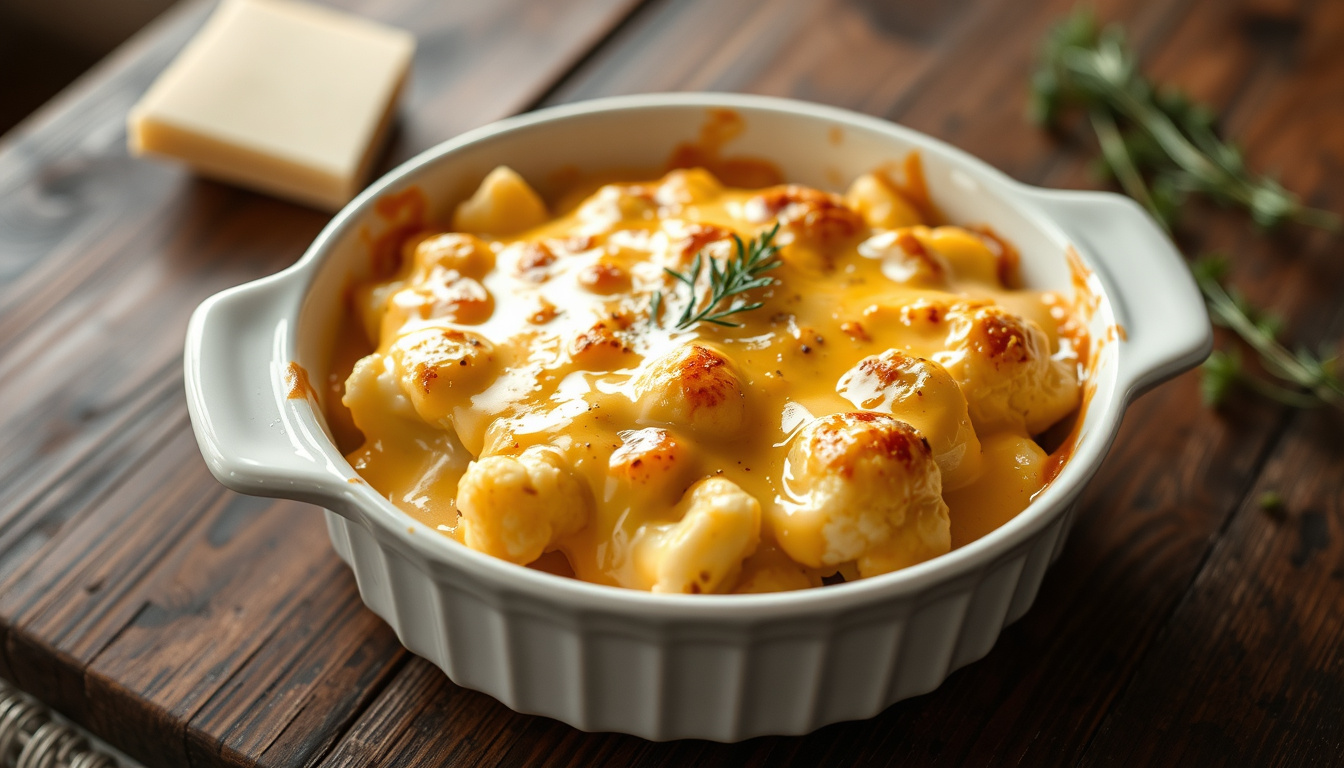
Cauliflower cheese stands as one of Britain’s most beloved comfort foods, combining tender florets with a rich, golden sauce. This classic dish appears on dinner tables across the country, from Sunday roasts to festive celebrations, offering a satisfying blend of vegetables and creamy cheese that appeals to nearly every palate.
The dish centers on cauliflower prepared to perfection—tender yet retaining structure—enveloped in a well-seasoned sauce and finished under the grill until the top develops an irresistible golden crust. While the traditional version relies on butter, flour, and milk for the base, modern adaptations have expanded to include vegan alternatives and low-carb variations, ensuring that virtually anyone can enjoy this comforting classic.
Understanding the fundamentals of sauce-making, proper cauliflower preparation, and baking times allows home cooks to create restaurant-quality results consistently. Whether serving as a main course or a side dish, cauliflower cheese rewards attention to detail and quality ingredients.
How to Make Classic Cauliflower Cheese
The foundation of an excellent cauliflower cheese lies in balancing three elements: properly prepared cauliflower, a well-seasoned sauce, and careful baking technique. Each component contributes to the final dish, and mastering them individually ensures success when combined.
Essential Overview
Key Tips for Success
- Choose a firm, compact cauliflower with creamy white florets and fresh green leaves
- Blanch or steam the cauliflower until just tender—overcooking leads to mushy results
- Drain cauliflower thoroughly before adding sauce to prevent dilution
- Build the sauce over gentle heat, stirring constantly to achieve a smooth consistency
- Grate cheese finely for even melting throughout the sauce
- Use breadcrumbs mixed with butter for an extra-crispy topping
- Position the dish near the top of the oven or under the grill for proper browning
Nutritional Snapshot
| Nutrient | Per Serving (Approx.) | Notes |
|---|---|---|
| Calories | 250-300 | Varies with cheese and milk choices |
| Carbohydrates | 15-20g | Primarily from cauliflower and flour |
| Protein | 10-15g | Depends on cheese type and quantity |
| Fat | 15-20g | From butter and cheese |
| Fiber | 3-4g | Good source from cauliflower |
| Vitamin C | High | Cauliflower provides excellent coverage |
| Calcium | Moderate to High | Depends on cheese selection |
| Vegan Adaptable | Yes | Multiple plant-based options available |
For a gluten-free version, substitute plain flour with cornstarch mixed into cold milk, or use a gluten-free flour blend. The sauce may require slightly different cooking times to reach the desired thickness. Those with coeliac disease should ensure all ingredients are verified gluten-free before proceeding.
Can You Freeze or Make Cauliflower Cheese in Advance?
Preparing cauliflower cheese ahead of time offers practical advantages for busy households and organized entertainers. Both make-ahead preparation and freezing prove viable options with proper technique, though each approach carries specific considerations for optimal results.
Freezing Guidelines
Cauliflower cheese can be frozen successfully, though the sauce texture may change slightly upon thawing and reheating. The dish freezes best before the final baking stage, as the breadcrumb topping tends to lose its crispness during freezer storage and reheating. For best results, prepare the dish through the assembly stage, cover tightly with freezer-safe wrapping, and label with the date.
Frozen cauliflower cheese maintains quality for approximately three months when stored at consistent temperatures. Thawing should occur gradually in the refrigerator overnight, allowing the dish to reach serving temperature safely before final reheating.
Make-Ahead Preparation
Assembling the dish a day ahead proves more successful than full freezing for immediate serving. Prepare the cauliflower and sauce separately, combine them in the baking dish, and refrigerate overnight. When ready to serve, allow approximately 10-15 minutes at room temperature before baking, as placing cold dishes directly into a hot oven risks thermal shock and uneven cooking.
Add the breadcrumb topping just before baking to preserve its texture and ensure proper browning. If using freshly grated cheese rather than pre-shredded, add it directly to the sauce or sprinkle over the top before the final bake.
Leftover cauliflower cheese keeps refrigerated for up to three days in an airtight container. Reheat portions in the oven at 180°C (350°F) for 15-20 minutes or in the microwave until heated through, though the oven method better preserves the topping texture.
Is Cauliflower Cheese Healthy and What to Serve It With?
Cauliflower cheese occupies a nuanced position in dietary discussions, offering both nutritional advantages and considerations. The base vegetable provides valuable nutrients, while the sauce and cheese additions contribute additional protein and calcium alongside increased fat content.
Nutritional Considerations
Cauliflower itself delivers impressive nutritional value, containing high levels of vitamin C, vitamin K, and folate. The florets also provide dietary fiber and remain relatively low in carbohydrates, making them suitable for many eating patterns. Health organizations note that vegetables like cauliflower form an important part of a balanced diet. However, the traditional cheese sauce—typically made with butter, flour, and whole milk—adds significant calories, fat, and sodium to the dish.
For those seeking lower-calorie versions, substituting part of the cream with milk, using reduced-fat cheese, or incorporating more cauliflower relative to sauce creates a lighter result. The vegan adaptations using nutritional yeast or cashew-based sauces offer alternatives that eliminate dairy while maintaining creamy texture and savory flavor.
Suitable Pairings
As a side dish, cauliflower cheese pairs exceptionally well with roasted meats, particularly Sunday roast beef, lamb, or poultry. The dish also features prominently at British Christmas dinners, where its richness complements other traditional elements. For a vegetarian complete meal, serving cauliflower cheese alongside crusty bread, a green salad, or boiled potatoes creates a satisfying plate.
The mild, creamy flavor of cauliflower cheese also works harmoniously with stronger-flavored accompaniments such as pickles, chutneys, or cranberry sauce, which provide textural and flavor contrast to the rich, smooth dish.
Traditional cauliflower cheese contains gluten from the flour-based sauce and dairy from the cheese and milk. Those with celiac disease or lactose intolerance should seek verified gluten-free or dairy-free recipes. Vegan versions exist but may require specialty ingredients such as nutritional yeast or plant-based cheese.
Vegan and Variation Ideas for Cauliflower Cheese
The rising interest in plant-based eating has produced several creative vegan adaptations of cauliflower cheese, each offering distinct flavor profiles and textures. These alternatives demonstrate that traditional dairy ingredients can be successfully replaced while maintaining the essence of the beloved dish.
Nutritional Yeast-Based Sauce
The most common vegan approach uses nutritional yeast—a deactivated yeast product with a distinctly cheesy, umami flavor—as the primary source of that characteristic taste. Nutritional yeast is widely available and provides a versatile base for dairy-free cooking. The sauce begins with a roux made from vegan margarine and flour, thinned with unsweetened soy milk and fortified with generous quantities of nutritional yeast. Seasonings typically include Dijon mustard, soy sauce, salt, pepper, and a touch of nutmeg, creating a deeply savory result without any nuts or specialty vegan cheese products.
This method adapts easily for gluten-free diets by substituting the wheat flour with a gluten-free blend or increasing the thickening agent. The nutritional yeast provides substantial B vitamins, making this version particularly nutritious for those following plant-based diets.
Cashew-Based Sauce
Soaked cashews blended with cooked potatoes create an exceptionally creamy base that mimics the texture of traditional cheese sauce remarkably well. The blend incorporates plant-based milk, nutritional yeast, and seasonings such as garlic, cumin, and paprika for additional flavor depth. Cornstarch helps achieve the proper consistency for coating the florets evenly.
While cashew-based sauces offer superior creaminess, they require pre-soaking the nuts and a high-powered blender to achieve a completely smooth result. The natural fats in cashews contribute richness that approaches traditional recipes closely.
Cauliflower Cheese Without Béchamel
Béchamel sauce—the French mother sauce made from butter, flour, and milk—forms the foundation of most classic cauliflower cheese recipes. However, simplifying the approach remains possible by using prepared sauces, cheese-flavored plant-based spreads, or condensed soups as shortcuts.
White miso paste mixed into a basic vegan béchamel creates remarkable depth of flavor through its natural umami content. Combined with nutritional yeast, white wine vinegar, and English mustard, this variation produces a complex sauce that rivals traditional recipes in satisfaction.
The Complete Process: From Prep to Plate
- Prepare the cauliflower — Break or cut the head into uniform florets. Rinse thoroughly under cold water and drain well.
- Blanch or steam — Cook the florets for 5 minutes in boiling salted water or 7-8 minutes by steaming until just tender when pierced with a fork. Avoid overcooking.
- Drain thoroughly — Allow the cauliflower to drain completely in a colander. Pat dry with paper towels if needed to remove excess moisture.
- Make the sauce base — Melt butter over medium heat, whisk in flour, and cook for 1-2 minutes to eliminate the raw flour taste.
- Build the sauce — Gradually add milk while stirring continuously to prevent lumps. Cook gently for approximately 5 minutes until thick and smooth.
- Add cheese and seasonings — Remove from heat, stir in grated cheese until melted, then add mustard, salt, pepper, and nutmeg to taste.
- Combine and transfer — Place cauliflower in a greased baking dish, pour sauce over evenly, and optionally top with breadcrumbs or additional cheese.
- Bake until golden — Bake at 200°C (390°F) for 20-30 minutes until the surface develops a golden-brown crust and the dish bubbles at the edges.
Every oven behaves differently. For consistent browning, position the dish in the upper third of the oven during the final 5-10 minutes, or finish under the broiler/grill for 2-3 minutes while watching carefully to prevent burning.
Understanding the Facts: What’s Clear and What Remains Uncertain
| Established Information | Remains Uncertain or Varies |
|---|---|
| Standard baking temperature is 200°C (390°F) | Precise baking duration depends on oven and dish size |
| Blanching takes approximately 5 minutes | Optimal cheese-to-sauce ratios vary by preference |
| Freezing affects texture quality | Specific storage duration limits are not well-documented |
| Cauliflower provides vitamin C and fiber | Exact nutritional values depend on specific recipes |
| Vegan adaptations exist and work successfully | Details about Mary Berry or Jamie Oliver specific recipes unavailable |
| The dish is traditionally British | Historical origins and exact timeline of development unclear |
| Cauliflower cheese serves as both main and side dish | Optimal reheating methods lack comprehensive documentation |
The British Classic in Context
Cauliflower cheese holds a cherished place in British culinary tradition, appearing consistently in cookbooks and family recipes throughout the twentieth and twenty-first centuries. The dish exemplifies the British approach to elevating simple vegetables through rich, comforting sauces—a hallmark of the nation’s comfort food heritage.
While the exact origins of cauliflower cheese remain unclear, the dish has become so associated with British cuisine that it features as a standard element of Christmas dinners, Sunday roasts, and pub menus nationwide. Its popularity stems partly from its accessibility: humble ingredients combined through straightforward technique produce impressive results reliably.
Modern interpretations have expanded the traditional recipe significantly. Low-carb adaptations reduce or eliminate the flour thickener, while vegan versions leverage plant-based ingredients to capture the creamy, savory character of the original. These variations ensure that cauliflower cheese continues to evolve alongside changing dietary preferences while maintaining its essential character as a comforting, satisfying dish.
Expert Perspectives and Sources
Recipes for cauliflower cheese appear across numerous food publications, with home cooks and professional chefs alike contributing interpretations of this versatile dish. The abundance of available recipes reflects both the dish’s popularity and its adaptability to different ingredients and techniques.
The key to excellent cauliflower cheese lies in the sauce-to-vegetable ratio and ensuring the top achieves proper color without the dish drying out beneath.
— General guidance from recipe developers and cooking publications
For those seeking specific celebrity chef variations, the research materials available do not include verified information about Mary Berry’s particular recipe or Jamie Oliver’s approach to cauliflower cheese. Additional specialized sources would be needed to present these variations accurately.
Final Notes
Cauliflower cheese demonstrates how simple ingredients, executed with care, produce deeply satisfying results. The dish rewards attention to fundamental techniques—proper cauliflower preparation, smooth sauce construction, and appropriate baking for browning—while offering ample room for personalization through different cheeses, seasonings, and toppings.
Whether following traditional methods or exploring vegan adaptations, the core principles remain consistent: quality ingredients, careful technique, and attention to the final moments of baking that create the characteristic golden finish. Those new to the dish should start with a classic version before experimenting with variations.
Frequently Asked Questions
Can cauliflower cheese be made in advance?
Yes, the dish can be assembled a day ahead and refrigerated. Add any breadcrumb topping just before baking to maintain crispness. This approach proves more successful than freezing for immediate serving scenarios.
Is cauliflower cheese suitable for low-carb diets?
Traditional cauliflower cheese contains flour in the sauce, contributing carbohydrates. However, low-carb adaptations using cauliflower as the base remain valid, and eliminating or reducing the flour thickener creates a more carb-conscious version. The vegetable itself is relatively low in carbohydrates.
What is the best way to reheat cauliflower cheese?
Oven reheating at 180°C (350°F) for 15-20 minutes preserves the texture better than microwave heating. Cover with foil if the top is browning too quickly during reheating. Ensure the internal temperature reaches hot throughout before serving.
How long does cauliflower cheese take to bake?
Most recipes specify 20-30 minutes at 200°C (390°F), though exact timing varies based on oven characteristics, dish depth, and whether the cauliflower was pre-cooked. The dish is ready when the surface is golden-brown and the sauce bubbles at the edges.
Can I use frozen cauliflower for this recipe?
Fresh cauliflower produces superior texture, but frozen cauliflower may be used if fresh is unavailable. Reduce or eliminate the blanching step since frozen cauliflower is typically pre-cooked, and extend the final baking time to ensure thorough heating through.
What cheese works best for cauliflower cheese?
Strong-flavoured cheeses such as cheddar, gruyère, or a blend work well, providing good melting properties and pronounced flavor. Pre-shredded cheese often contains anti-caking agents that affect melting quality; freshly grated cheese from a block typically produces superior results.
How do I prevent the sauce from becoming lumpy?
Adding milk gradually while whisking constantly prevents lumps from forming. Ensure the roux (butter and flour mixture) is smooth before adding liquid, and maintain medium heat rather than high heat, which can cause the milk to curdle or the flour to form clumps.
Related stories



Liam O'Brien covers Australian politics and public affairs for Oz Monitorly.